

Hegseth Urges Defense Department Civilians to Volunteer at ICE, Border Patrol
Response has been tepid, with only some 900 employees volunteering so far to help the beleaguered immigrant-roundup agencies

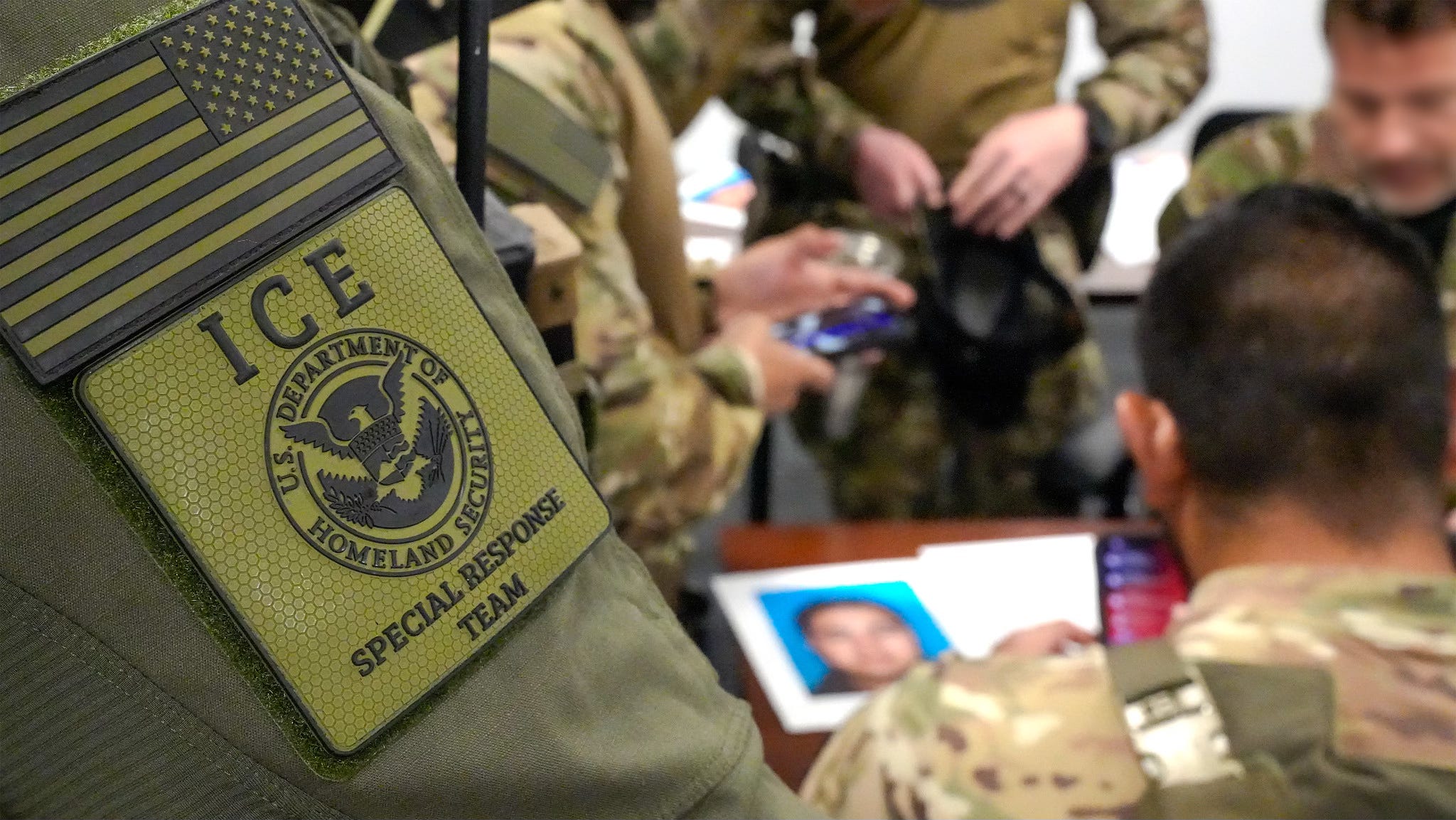
Secretary of Defense Pete Hegseth is urging Defense Department civilians to help out ICE and the Customs and Border Patrol agency on a voluntary basis.
“I encourage all who are interested to volunteer for this detail opportunity,” Hegseth said in a little-noticed Feb. 19 memorandum. ”Supporting interior immigration enforcement actions, apprehending illegal aliens and securing our borders are vital to the national security of the United States.”
In another appeal for volunteers last Thursday, Timothy D. Dill, Assistant Secretary of Defense for Manpower & Reserve Affairs, wrote that he was “renewing the call for additional dedicated civil servant volunteers to meet continued mission-critical roles in support of DHS.”
Some 900 Defense Department civilians had volunteered, he said. A March 11 story from the Pentagon’s new site said “more than 200 have already been deployed.” The Department of Defense employs about 770,000 civilians, not counting more than 560,000 civilian contractors.
“The Secretary said supervisors must approve any volunteer requests that do not conflict with mission-essential functions,” according to the Pentagon news story. “Any … civilian can volunteer, regardless of their job or skills; no resume is needed.”
Applicants are told to sign up at the USAJobs website. Assignments to Homeland Security, according to DOD, “last about 60 days, though volunteers have the opportunity to do a total of three 60-day details with the agency.” The department has not responded to SpyTalk’s questions about hours, pay or what kinds of special training, if any, the frontline homeland security agencies provide the volunteers.
On Monday, President Trump deployed ICE agents to some airports to assist TSA airport security screeners, whose ranks have thinned by no-shows who stopped working because they haven’t been paid for weeks during a funding dispute between the White House and Congress—mostly Democrats—over the rough behavior of ICE and Border Patrol agents.
Dill, the assistant secretary for manpower, expressed enthusiasm for the Pentagon’s volunteers program.
“To date, participants have helped ICE and CBP develop concepts of operation, provided logistics support, and managed informant tiplines that led to the arrests of human smugglers, drug dealers, and other criminals,” Dill wrote in his workforce-wide appeal.
Michael A. Cogar, DOD’s deputy assistant secretary of defense for Civilian Personnel Policy, was quoted saying that volunteers found the experience rewarding. “I’ve gotten feedback from the department civilians who’ve returned from their deployments on how meaningful it has been for them to be a part of this mission,” Cogar said in the DOD story.
Bob Blitzer, a retired former FBI senior counterterrorism manager, said the program could work well.
“There is a ton of talented DOD civilians who are experienced and highly educated,” said Blitzer, who after his retirement became a Senior Fellow at the Homeland Security Policy Institute at George Washington University.
“It’s war, so to me, if they wish to help, go for it. In my FBI time we sometimes worked 100 hours a week on big cases and I would welcome any help I could get. We brought folks in from other divisions and TDY (temporary duty) from the field when necessary.”
Anyway, " breaking the law, breaking the law..."
31 USC SUBTITLE II, CHAPTER 13, SUBCHAPTER III says some employees may have a problem.
The kicker is that civilians will be assigned to duties regardless of their grade or expertise. So a senior civilian could end up doing rather menial tasks. With the huge budget increase in the BBBA, DHS/CBP should not be short of money or people.