


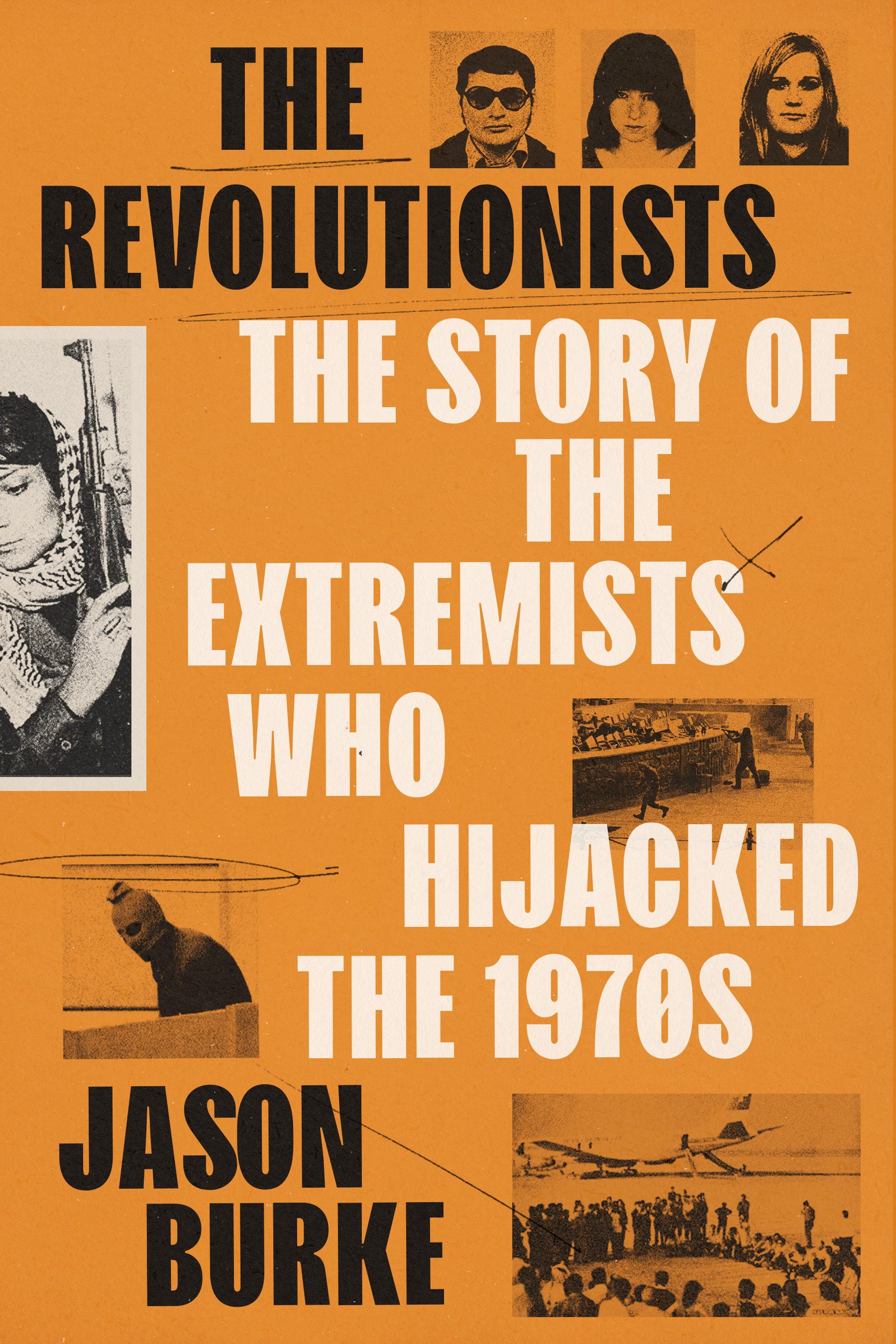
A month after the bloody debacle of the 1972 Munich Olympics, the CIA was still struggling to comprehend what had unfolded. Palestinian gunmen had slipped into the Olympic Village at dawn, taken 11 Israeli athletes’ hostage, and, after a botched and amateurish rescue attempt by German police, murdered them. In Langley, analysts responded as bureaucracies do: they compiled a background report on the Palestinian organizations suspected of involvement. It was orderly, methodical—and curiously hollow.
“What the CIA either failed or chose not to mention,” writes Jason Burke in his superb and meticulously researched book The Revolutionists: The Story of the Extremists Who Hijacked the 1970s, “was that, despite its name, the Black September Organization was not actually very organized.” It was less a coherent entity than a label—a convenient fiction designed to put distance between the gunmen and the leadership of Fatah, the PLO faction under Yasser Arafat. Black September was plausible deniability dressed up as organization, a shadow cast to obscure responsibility.
Burke, a seasoned journalist for The Guardian, argues that the CIA’s presence in the Middle East at the time was thin and undistinguished. Much of what it believed it knew about the Palestinian movement came secondhand—from allied intelligence services.
