

Iran and the Long Shadow of the CIA's 1953 Coup
If the Islamic regime survives the current unrest, the ghosts of past U.S. intervention will have played a key role, argues defense strategist Ken Robinson

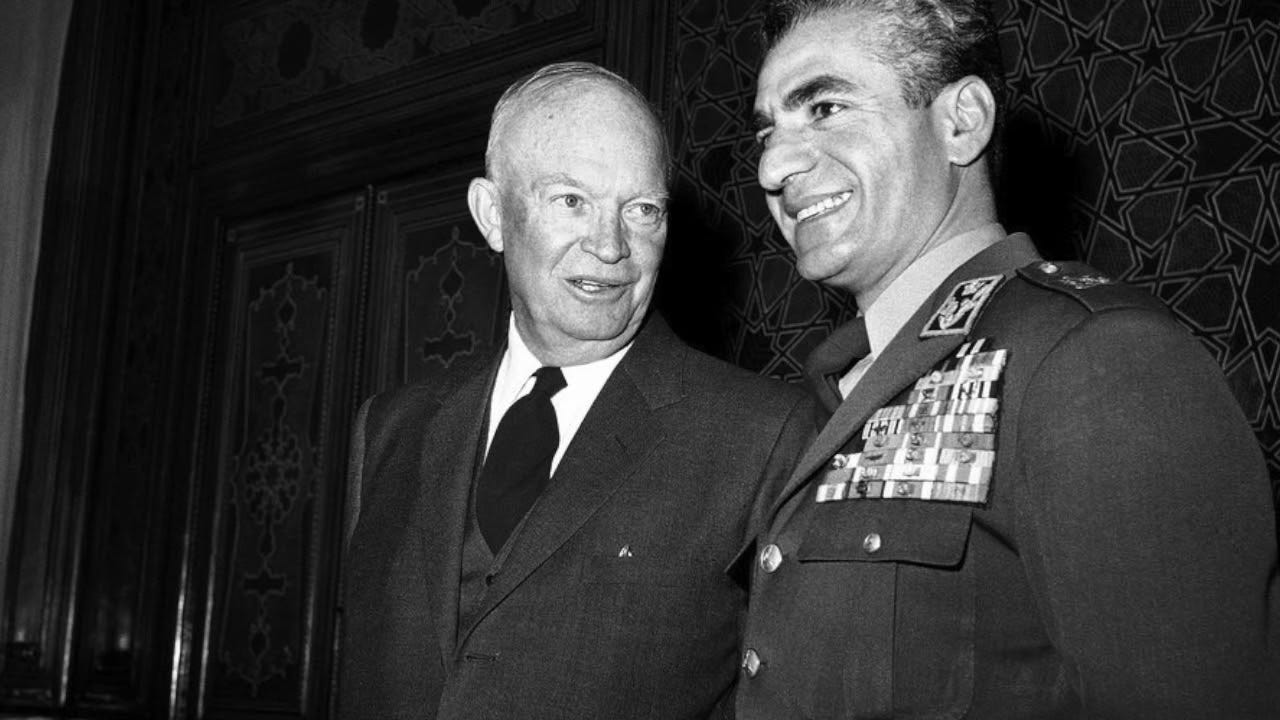
Right now, Iran sits at the center of what I have described in recent SpyTalk pieces as a brittle but dangerous system under stress. The regime looks solid until you touch it. Then it creaks. The streets are restless. The economy is suffocating under sanctions and mismanagement. The security services are working overtime. And Tehran’s answer to pressure remains what it has been for decades: push risk outward through proxies, deniability, and calibrated escalation.
That outward push now runs across the map. Hezbollah to the north. Militias in Syria and Iraq. The Houthis in the Red Sea. A shadow conflict with Israel that keeps slipping from covert to overt and back again. The United States is doing what it has been doing for months: keeping carrier groups and air power in place not because it wants a war, but because it is trying to prevent one - and preparing for the possibility that prevention fails. Russia and China are not referees. They are opportunists, deepening their ties to Tehran and quietly enjoying Washington’s strategic discomfort.
In earlier SpyTalk reporting, I made two arguments that matter here. First, that Iran is not stable - it is stressed. Second, that the real danger is not sudden collapse, but miscalculation: a stumble, a misread signal, a local escalation that cascades faster than anyone intends. In other words, this is not equilibrium. It is a stress test.
Here is the first line you should remember:
Iran is not on the edge of collapse. It is on the edge of a mistake.
Stress tests do not break systems gently. They break them suddenly.
Which brings me to a book I have been writing for some time now—a warning book about America’s long, complicated, and poorly understood relationship with regime change.
It is a history most Americans never learn. Not because it is secret anymore, but because it is uncomfortable. It does not fit the national story we like to tell about ourselves. In most classrooms, the United States appears mainly as a force for good—sometimes clumsy, sometimes imperfect, but fundamentally well-intentioned. The darker chapters of Cold War political warfare, covert action, and the deliberate destruction of foreign democracies tend to be treated lightly, if they are treated at all.
They should not be.
Because many of today’s fires were lit by matches we ourselves threw.
